
Hardware-Free vs Hardware-Heavy Gate Access Control: A Complete Comparison
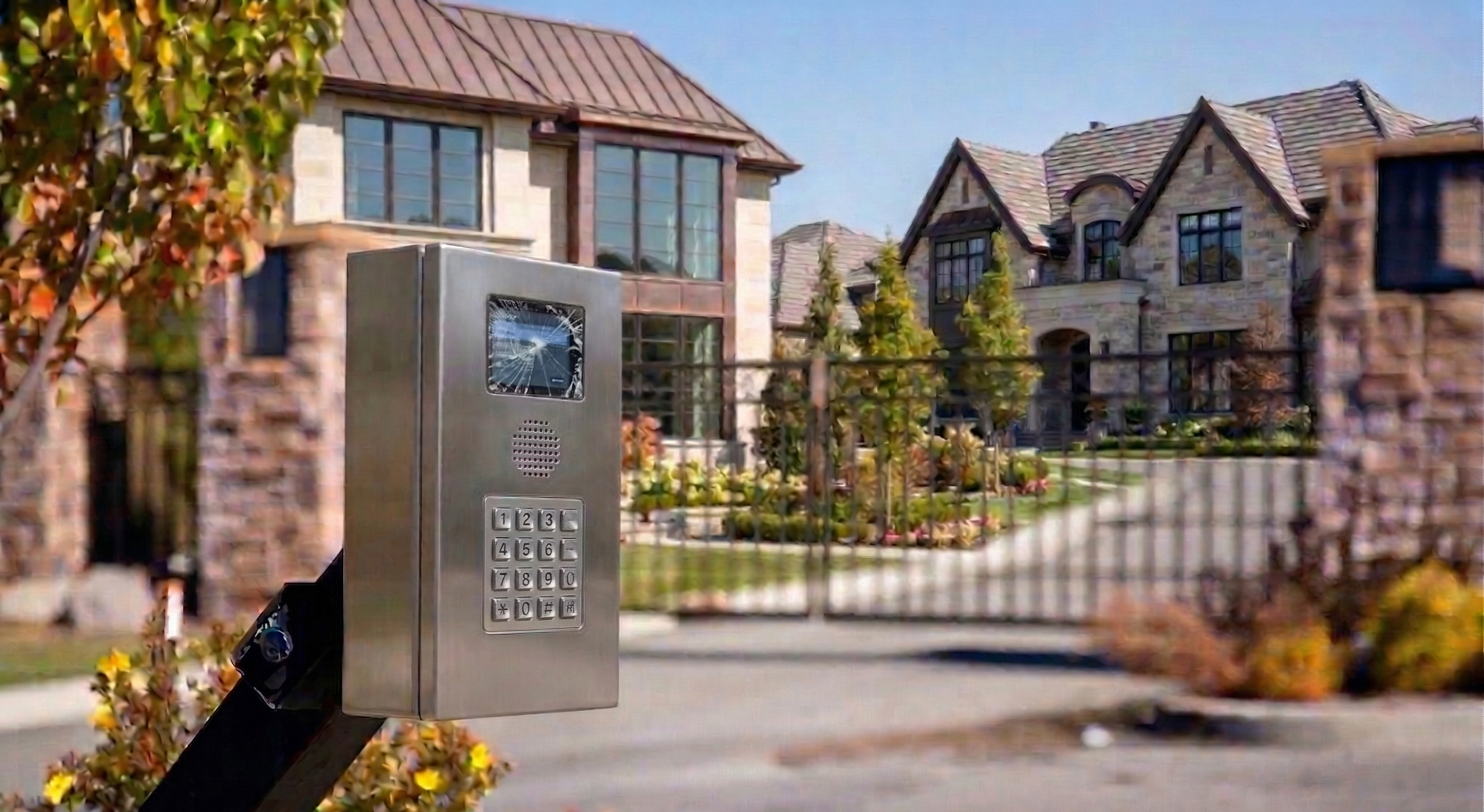
If you manage a gated community, multifamily property, or commercial facility, you've probably been told that upgrading your access control means replacing everything. New readers, new panels, new wiring, new hardware at every entrance. That used to be true. It isn't anymore.
A new category of gate access control has emerged: software-first, hardware-free platforms that work with the gates, barriers, and infrastructure you already have. Instead of ripping out legacy systems, these platforms layer cloud-based visitor management, mobile entry, and digital audit trails on top of existing equipment.
But which approach is right for your property? This guide breaks down the differences between hardware-heavy and hardware-free gate access control so you can make an informed decision based on your budget, timeline, and operational needs.
What Is Hardware-Heavy Gate Access Control?
Hardware-heavy systems are the traditional approach. They require dedicated physical devices at every access point: card readers, keypads, intercoms, control panels, and wiring. Brands in this category include DoorKing, LiftMaster, HID, and Allegion.
These systems are proven and reliable, but they come with significant upfront costs, long installation timelines, and ongoing maintenance. Every gate, door, or entrance needs its own set of hardware, which means scaling across multiple access points or properties multiplies the expense.
Common components of a hardware-heavy system include dedicated card readers or fob systems at each entrance, wired control panels connected to gate operators, physical keypads or callboxes for visitor entry, proprietary intercom units, and on-site servers or local controllers for data storage.
When hardware fails, and it does, due to weather, vandalism, or simple age, a technician visit is required. Firmware updates, wiring repairs, and replacement parts add recurring costs that are difficult to predict and budget for.
What Is Hardware-Free Gate Access Control?
Hardware-free systems take a fundamentally different approach. Instead of installing new devices at every entrance, they use software running on commercial tablets, smartphones, and web browsers to manage access. The gate operator itself stays in place. The intelligence moves to the cloud.
This approach eliminates the need for proprietary readers, keypads, and intercoms. Visitors can enter using QR codes scanned from their phone's browser with no app download required. Residents and authorized users open gates directly from a mobile app. Security guards, if present, use a tablet to verify visitors, log entries, and contact residents.
The core components of a hardware-free system include a cloud-based management platform accessible from any browser, a tablet at staffed entrances for guard-operated visitor verification, mobile app access for residents and authorized users, QR-code-based visitor entry with time-limited and single-use codes, and digital audit trails that log every entry automatically.
Because the system is software-based, updates happen automatically. There's no firmware to flash, no panels to replace, and no proprietary hardware that locks you into a single vendor. Gate Sentry and Sentry Solo are built on this model.
Cost Comparison
This is where the difference becomes most obvious.
Hardware-Heavy: High CapEx, Unpredictable Maintenance
A typical hardware-heavy installation for a single gated community entrance can range from $5,000 to $20,000 or more, depending on the equipment selected. That price covers readers, panels, wiring, and installation labor. Multiply that by every gate, amenity entrance, and secondary access point on the property, and costs escalate quickly.
On top of the initial investment, hardware systems carry ongoing maintenance costs: technician visits for repairs, replacement parts for weather-damaged equipment, and periodic upgrades as hardware reaches end of life. These costs are difficult to predict and often hit budgets at the worst possible time.

Hardware-Free: Low CapEx, Predictable Subscription
Hardware-free systems dramatically reduce upfront costs because there's minimal physical equipment to purchase. The primary expense is a tablet for staffed entrances and the software subscription itself. For unmanned gates, even the tablet is unnecessary. Visitors use their own phones.
The subscription model means costs are predictable month to month. Software updates, security patches, and new features are included. There are no surprise repair bills or technician call-outs for failed readers.
For HOA boards and property managers operating on tight budgets, this shift from capital expenditure to operating expenditure is often the deciding factor.
Hardware-Heavy vs Hardware-Free at a Glance
| Function | Hardware-Heavy | Hardware-Free |
|---|---|---|
| Upfront Cost per Gate | $5,000 - $20,000+ | Tablet + subscription |
| Deployment Time | Months | Days to weeks |
| Maintenance | Technician visits, replacement parts | Cloud updates, no on-site service |
| Visitor Entry | Keypad code or callbox | QR code, no app required |
| Resident Access | Fob or shared code | Mobile app |
| Audit Trail | Paper logs or local controller | Cloud-based digital logs |
| Adding a New Gate | Full installation again | Configure in dashboard |
| Multi-Property Management | Separate systems per site | One centralized dashboard |
Deployment and Timeline
Hardware-Heavy: Weeks to Months
Installing a hardware-heavy system is a construction project. It requires site surveys, electrical work, conduit runs, mounting hardware, configuring panels, and testing. Depending on the complexity of the property and the number of access points, installations can take several weeks to several months.
During that time, gates may be temporarily out of service, construction crews are on-site, and residents experience disruption. For communities with multiple entrances, the project can stretch even longer.
Hardware-Free: Days, Not Months
Software-first systems can go live in days. There's no electrical work, no trenching, and no panel installation. A staffed gate needs a tablet and a Wi-Fi connection. An unmanned gate needs a printed QR code sign and a relay connection to the existing gate operator.
Resident onboarding can happen in parallel. Users download the app and set up their accounts while the system is being configured. Guard training typically takes under an hour because the interface is designed to be intuitive from the first tap.
For communities that need to move quickly, whether due to a security incident, a failed legacy system, or a board vote, this speed of deployment is a major advantage.
Visitor Experience
How visitors experience your gate says a lot about your property. The access control system is often the first interaction a guest, delivery driver, or contractor has with your community.
Hardware-Heavy: Keypads, Callboxes, and Friction
Traditional systems rely on callboxes and keypads that can be confusing for first-time visitors. Guests need a gate code, which is often shared broadly and rarely changed. Delivery drivers may not have the right code. Contractors get stuck waiting at the gate.
Callboxes require visitors to scroll through a directory, find the right resident, and wait for a response. The experience is slow, frustrating, and often loud, which matters in residential settings.
Hardware-Free: QR Codes, No App, No Friction
Modern hardware-free systems allow residents to send visitors a digital pass with a secure, time-limited access code. When the visitor arrives, they scan a QR code at the gate with their phone's camera. This opens a virtual keypad in their mobile browser with no app download required, where they enter their code. The gate opens.
The entire process takes seconds. Codes can be configured as single-use to prevent sharing. They expire automatically after the designated time window. And every entry is logged with the visitor's name, date, and time.
For delivery drivers and contractors, residents can set up recurring access with specific time windows. The driver arrives, scans, enters the code, and the gate opens. No guard interaction needed. No shared community code floating around.
Security and Compliance
Hardware-Heavy: Physical Security, Manual Records
Hardware-heavy systems are physically robust. Tamper-resistant readers, hardened panels, and wired connections are difficult to bypass. However, the security of the system often depends on how well codes and credentials are managed, which is an operational challenge.
Gate codes get shared. Fobs get lost or duplicated. Paper guard logs are incomplete, illegible, or missing entirely. When an incident occurs, piecing together who entered and when can be difficult.
Hardware-Free: Digital Audit Trails, Automated Enforcement
Software-based systems automate much of what hardware systems leave to manual processes. Every visitor entry is digitally logged with timestamps, names, and often photo ID. Time-limited and single-use codes eliminate the problem of shared or stale gate codes.
Banned visitor lists can be enforced automatically. If someone on the list attempts entry, the system flags it immediately. Guard workflows are standardized through the tablet interface, reducing human error and ensuring consistent procedures across shifts.
For communities that need to demonstrate compliance, whether for insurance, legal disputes, or board reporting, digital audit trails provide documentation that paper logs simply cannot match.
Scalability
Hardware-Heavy: Linear Cost Growth
Every new access point requires a new set of hardware. Adding a back gate, pool entrance, or gym door means another round of equipment, installation, and wiring. For portfolio operators managing multiple properties, this creates a linear relationship between growth and cost that is difficult to scale efficiently.
Hardware-Free: Marginal Cost Approaches Zero
Adding a new access point to a software-based system requires minimal physical setup. For an unmanned entrance, it can be as simple as installing a QR code sign and connecting a relay. The software configuration happens in the cloud dashboard in minutes.
This makes hardware-free systems especially attractive for properties with multiple entrances and for portfolio operators managing dozens of communities. A centralized dashboard provides visibility and control across every property, with standardized policies, unified reporting, and consistent visitor experiences.
When Hardware-Heavy Makes Sense
Hardware-heavy systems still have a place. They may be the right choice when your property requires high-security physical credentials like biometrics or encrypted smart cards, when you're building a brand-new facility where access control infrastructure can be designed in from the start, when regulatory or contractual requirements mandate specific hardware certifications, or when the property has no reliable internet connectivity and cannot support cloud-based systems.
When Hardware-Free Makes Sense
Hardware-free systems are typically the better choice when:
- You have existing gates and operators that are functional but the access control layer is outdated
- Your budget favors predictable operating expenses over large capital expenditures
- You need to deploy quickly across one or multiple entrances
- Your visitors include a mix of guests, deliveries, and contractors who need flexible and frictionless access
- You manage multiple properties and need centralized oversight
- Your guards need digital tools that simplify their workflow rather than complicate it
The Bottom Line
The access control industry is shifting from hardware to software. For most gated communities, multifamily properties, and commercial facilities, the question is no longer whether to modernize. It's how to modernize without unnecessary cost, disruption, and complexity.
Hardware-free systems offer a practical path: keep the gates you already own, add a software layer that handles visitor management, resident access, and digital record-keeping, and go live in days instead of months. It's not a compromise. It's a more efficient way to achieve the same outcome.
The right system depends on your property's specific needs. But if you're managing a legacy gate system and looking for a way to modernize without a full rip-and-replace, hardware-free access control is worth serious consideration.
Ready to See How It Works for Your Property?
Schedule a demo and we'll show you exactly how Gate Sentry can modernize your existing gates without a single piece of new hardware.
Schedule a Demo