
How to Manage Renters and Short-Term Tenants in Gated Communities & Multifamily properties
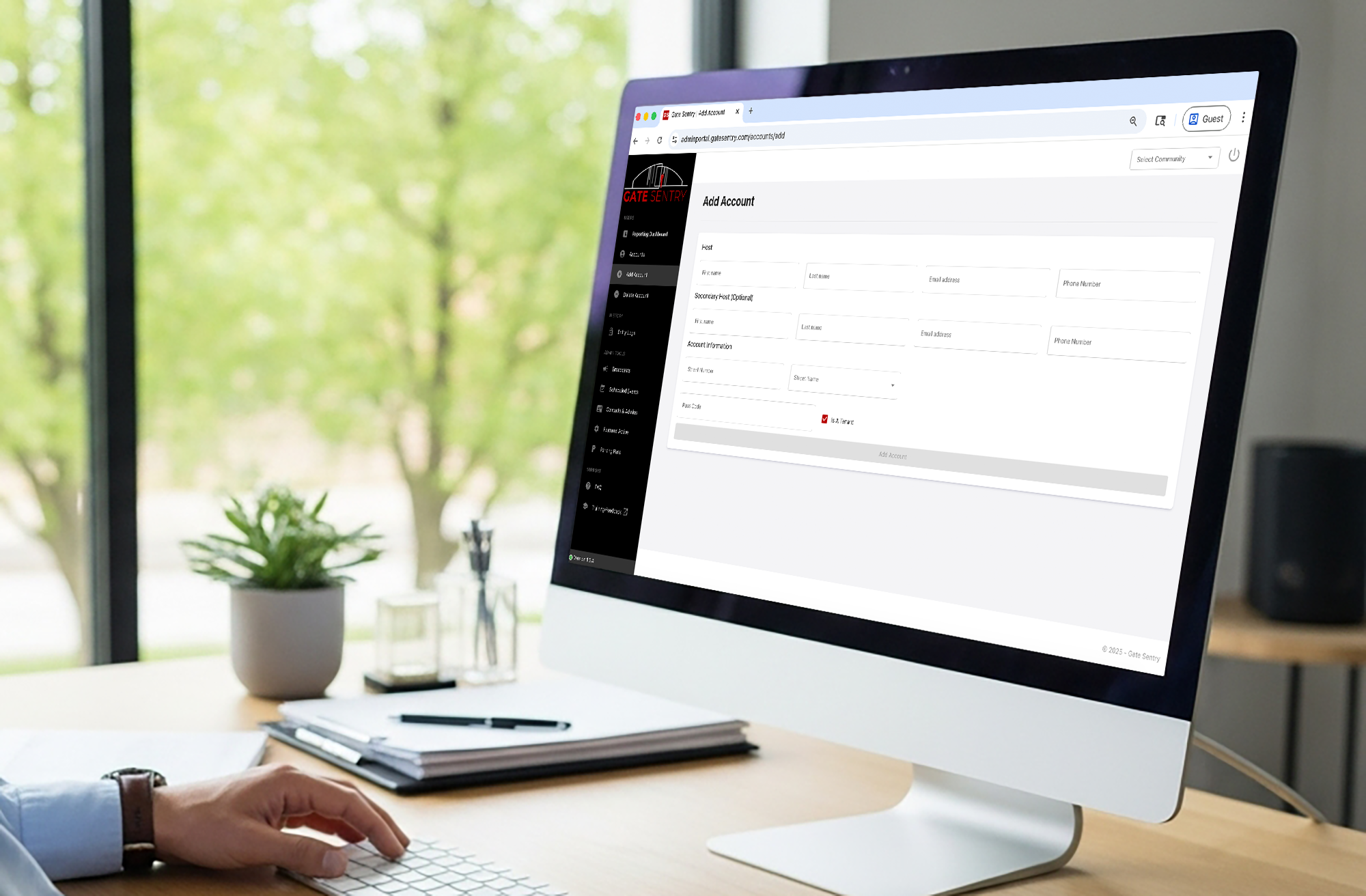
Renters have become a core part of today’s gated communities, condominiums, townhome developments, and apartment complexes.
Whether it’s a full-time tenant, a seasonal resident, a short-term guest, or a property investor leasing out their unit, property managers and HOAs face the same challenge: how to give renters secure access without losing control or creating administrative headaches.
Older gate and building systems were designed for single, permanent residents. But modern communities are dynamic. People move in and out more frequently, share properties, or rent them for parts of the year. Without the right access tools, managing those transitions can lead to lost fobs, shared codes, and unnecessary risk.
Cloud-based, software-driven access systems make this simple. They let communities safely assign, track, and remove renter access — all while keeping the owner’s or main account intact.
The Modern Rental Landscape
Communities today see more diverse rental scenarios than ever before. Each comes with its own access management challenges:
1. Long-Term Tenants
Residents who rent a property for six months or a year need full access to gates, doors, and amenities — but should have separate credentials from the property owner.
2. Short-Term Rentals and Corporate Leases
Temporary tenants, traveling professionals, and corporate guests need access that’s easy to issue and expires automatically at the end of their stay.
3. Seasonal Residents
Part-time homeowners, often called “snowbirds,” spend only part of the year on-site. When they leave, they may rent their property or allow family members to stay. Their accounts must remain active but separate from those temporary users.
4. Investor-Owned Rentals
Many units in multifamily communities are owned by investors who live elsewhere. Their property managers or leasing agents need administrative access to assign tenant credentials without altering the owner’s information.
5. Roommates and Shared Leases
Some properties house multiple occupants under one lease. Each resident needs individual access credentials that can be updated or revoked without affecting others.
Why Traditional Systems Struggle
Legacy gate and building access systems depend on static hardware like keypads, callboxes, and RFID fobs. They’re rigid, hard to update, and poorly suited to frequent turnover.
Typical issues include:
- Shared codes that linger long after tenants move out
- Lost or unreturned fobs that continue to work until manually removed
- Manual reprogramming every time a tenant changes
- Shared logins that blur the line between owners, tenants, and guests
These systems simply weren’t designed for today’s fast-changing, renter-heavy communities.
How Tenant-Level Access Control Solves These Problems
Modern, cloud-based access control systems separate ownership from occupancy. Each property can have a permanent owner profile and one or more tenant profiles active only for the duration of a lease or stay.
Here’s how it works:
1. The Owner Account Stays Permanent
The homeowner or primary account holder keeps full control of their property profile, resident data, and visitor history. This account never changes, even when a tenant moves in or out.
2. Renters Get Their Own Access Credentials
When a renter moves in, management can create a separate tenant account with specific permissions — such as gate access, amenity entry, or parking areas.
This account includes defined start and end dates, so access automatically expires when the lease ends.
3. Renters Manage Their Own Guests
During their stay, tenants can issue visitor passes, approve deliveries, and schedule vendors without relying on property management. It’s convenient for them and removes administrative burden from the HOA or leasing office.
4. Automatic Expiration and Secure Recordkeeping
When the rental term ends, the tenant’s account and associated visitor access are automatically deactivated. The property instantly reverts to the owner’s access settings — with no lingering codes or credentials.
However, all access logs remain stored and visible to property managers for auditing, compliance, or future reference. Every entry, visitor, and event tied to that rental period stays securely recorded in the system.
5. Full Visibility for Managers
Every entry and action is logged in real time. Property managers can see which residents, renters, or guests accessed gates and amenities, providing a clear, auditable trail of activity for each unit.
Benefits for Every Type of Community
Gated Communities
Eliminate shared gate codes and manual updates. Residents and renters use mobile credentials or digital passes that can be managed from anywhere. Seasonal and full-time owners both maintain secure, uninterrupted access.
Condominiums
Condo boards and managers can assign temporary access to renters or caretakers without losing control over the building’s main resident database. Owner profiles remain separate and protected.
Townhome Developments
Townhome owners who lease their units can easily grant their tenants gate and amenity access that expires automatically at the end of the lease, without new hardware or reprogramming.
Apartment Communities
Multifamily managers can manage hundreds of tenants efficiently. Cloud-based control allows instant updates, automatic expiration, and unified tracking across all residents and gates.
Why This Matters for HOAs and Property Managers
Improved Security
Every resident, renter, and guest has their own unique, traceable access credential. When someone moves out, access expires automatically, leaving no lingering risks.
Simplified Management
No need to manually delete fobs, codes, or logins. Everything is handled through one cloud dashboard, accessible from any device.
Lower Costs
Eliminating physical keypads, servers, and card systems drastically cuts maintenance and replacement costs.
Better Resident Experience
Owners and renters enjoy easy, mobile-based entry. Guests receive digital access links or QR codes, creating a seamless experience at every gate or door.
Scalability for Growth
As your community expands, new residents and properties can be added instantly without rewiring, reprogramming, or installing new hardware.
Best Practices for Managing Renters
- Keep Ownership and Tenancy Separate Never reuse the same account or login between owners and renters. Maintain a clear separation of roles and access rights.
- Automate Expiration Dates Set rental access to automatically expire at the end of each lease or stay to ensure clean transitions.
- Require Individual Accounts for All Occupants Even if multiple tenants share a lease, each person should have their own unique credential for security and traceability.
- Use Digital Guest Passes Replace shared visitor codes with digital passes that can be tracked and revoked at any time.
- Retain Access Logs for Oversight Even after a tenant’s access is removed, maintain access logs for auditing, dispute resolution, and compliance purposes. This ensures full visibility and accountability long after the tenant’s stay.
Frequently Asked Questions
-
How can gated communities manage short-term renters securely?
Gated communities can assign digital, time-limited access to short-term tenants. These credentials automatically expire at the end of a lease or stay, ensuring no lingering codes or shared fobs remain active.
-
What if an owner lives part of the year and rents their property the rest of the time?
Owner profiles remain permanent. The system allows creation of a separate temporary tenant profile that activates during the rental period and deactivates automatically when the lease ends. This keeps owner access intact year-round.
-
How do property managers handle multiple renters across condos or apartments?
Cloud-based access control lets managers add, update, and remove tenants instantly from one dashboard. Access changes sync across all gates and doors, saving hours of manual reprogramming.
-
Can renters manage their own visitors and deliveries?
Yes. Temporary tenant accounts can include guest and vendor management tools. Tenants can send digital guest passes or QR codes that expire automatically, giving them autonomy while maintaining security.
-
What happens to access data when a tenant leaves?
When a tenant’s term ends, their access credentials and visitor permissions are removed, but the logs remain securely stored for property managers to review. Managers retain complete visibility into who entered, when, and how — even long after the rental period has ended.
Final Thoughts
Renters are now a normal part of modern community life — from full-time apartment tenants to seasonal condo occupants and short-term townhome guests.
By using tenant-level access functionality, gated communities, condos, townhomes, and apartments can maintain security, save administrative time, and give both owners and tenants the flexibility they expect.
Smart access control isn’t just about convenience — it’s about giving communities the tools to manage changing residents safely, efficiently, and with confidence.
Need Smarter Tenant Management?
Discover how Gate Sentry's tenant-level controls can secure your community and simplify management.
Schedule a Demo