
Mobile Credentials vs RFID & LPR: Which Is Better?
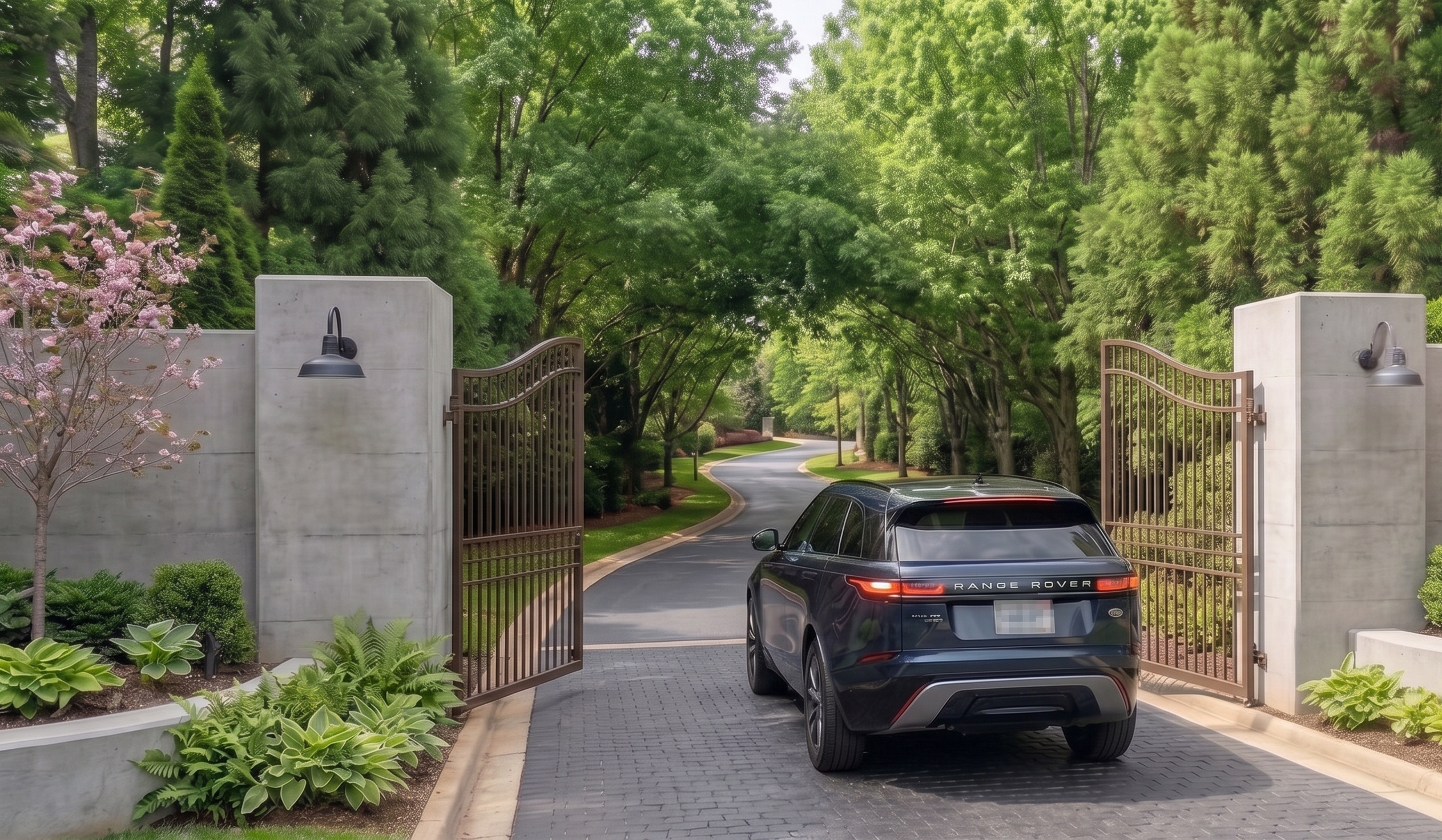
Gate access control has spent decades attaching credentials to vehicles. RFID transponders, barcode decals, license plates registered as credentials — all share one property: the credential is bound to the car. The car drives through; the person behind the wheel comes along for the ride.
That model worked when the person driving the car was usually the resident who owned it. But "usually" isn't "always," and that gap is the entire security argument for phone-based credentials.
RFID, LPR, and Barcode Are Bearer Tokens
In security terms, a "bearer token" works for whoever holds it. A movie ticket is a bearer token. So are RFID tags, barcode decals, and license plates registered as gate credentials — except these are attached to a vehicle, which means they work for whoever is driving the vehicle. The gate doesn't ask. It can't.
Once the credential is bound to the car, the car becomes a skeleton key for the community. The spouse uses it. The teenager uses it. A friend who borrowed the car uses it. A valet could use it. The buyer of the car after the resident sells it could use it. Someone who steals the car could use it. The credential travels with the vehicle, and the community has no visibility into who's actually behind the wheel.
A Phone Credential Is Tied to a Person
A phone-based credential is fundamentally different. The credential lives on a specific person's phone. To use it, that person has to be holding the phone, and the phone has to be unlocked with their biometrics or passcode. The credential is tied not to a piece of property anyone can borrow or steal, but to a device that requires the resident's face, fingerprint, or PIN to authorize anything.
This is how modern banking and email handle authentication. The credential isn't a token anyone can use — it's tied to a specific person who has to prove they are that person before the credential becomes usable.
A phone stolen from a parked car can't be used to enter the community, because the thief can't unlock it. A phone that falls out of a pocket gets returned by whoever finds it. A lost phone gets noticed and revoked the same day, because residents notice missing phones in a way they don't notice a missing decal or transponder.
What This Looks Like in Practice
- The stolen vehicle. A resident's car is stolen from an airport parking lot. With RFID or registered plates, the thief has working gate access to the community until someone deactivates the credential — often days later. With a phone credential, the resident notices the phone is missing the same evening and revokes it, and the phone is locked behind biometrics that prevent the thief from using it at all.
- The borrowed car. A resident lends their SUV to a friend for the weekend. With a vehicle-bound credential, the friend has full access to the front gate, the pool, and the clubhouse. With a phone credential, the resident's access stays with the resident.
- The teenage driver. A household has two cars and three drivers. The parents are fully authorized; the teenager isn't supposed to use the pool unsupervised. An RFID tag or registered plate on either family car gives the teenager the same access as the parents. A phone credential lets the property authorize the adults without automatically extending the same access to the teenager.
- The valet handoff. A resident hands their car to a restaurant valet. The credential on the vehicle is, for those hours, a working community access pass in someone else's hands. The phone credential stays in the resident's pocket through dinner.
- The sold car. A resident sells their old SUV. The RFID transponder is still on the windshield, or the plate is still registered as an authorized credential in the database. Until someone catches the cleanup, the new owner has working gate access to a community they don't live in. A phone credential is unaffected by the vehicle transaction.
None of these scenarios assumes bad intent. Most are everyday situations where the credential ends up authorizing someone the resident never meant to authorize. That's the structural issue with a credential attached to a vehicle: it can't ask who's driving.
Revocation Is Decisive
The same property that makes a phone credential harder for the wrong person to use also makes it easier to take away. When a resident moves out or otherwise loses authorization, the credential is revoked with a click. The phone they're holding stops working at the gate the next time they try.
Revoking a vehicle-bound credential depends on physical hardware or database hygiene. Ideally, the RFID tag comes off the windshield or the plate is removed from the authorized list before the resident moves out. In practice, this happens unevenly — tags are forgotten, decals are difficult to remove fully, and the cleanup often happens weeks or months later, if ever. Even when the credential is deactivated in the database, the physical hardware is still attached to a vehicle the property no longer has visibility into.
The Cryptography Is Better Too
The dominant vehicle-based credentials in residential deployments — older RFID proximity cards, basic UHF transponders, barcode decals, and several legacy smartcard formats — use cryptography that has been publicly broken for years, or in some cases uses no meaningful cryptography at all. Inexpensive handheld devices widely available online can clone many of these credentials in seconds. LPR has its own version of the same problem: license plates can be photographed, copied, or stolen from another vehicle.
Modern mobile credential platforms use strong AES-based cryptography with per-device diversified keys and elliptic-curve key exchange. No public cryptographic break exists against any of the major mobile credential protocols.
Side-by-Side
| Dimension | RFID / LPR / Barcode | Phone Credential |
|---|---|---|
| Who can use it | Anyone driving the vehicle | The person whose biometrics unlock the phone |
| Credential type | Bearer token attached to a vehicle | Personal authentication factor tied to a device |
| If the vehicle is stolen | Thief has gate access until credential is deactivated | Gate credential unaffected |
| If the credential is lost | Often unnoticed for weeks | Usually noticed and revoked the same day |
| Revocation | Database deactivation immediate; physical credential may stay in circulation | Instant and complete |
| Cryptography | Weak in most legacy deployments | Strong AES-based encryption |
| Amenity access | Requires a separate credential system | Same credential covers every access point |
The Bottom Line
The case for phone-based gate credentials isn't really about user experience, though it's better. It isn't about audit logs, though they're cleaner. The core case is about who can actually use the credential to enter the property. RFID, LPR, and barcode credentials open the gate for whoever is driving the car. A phone credential opens the gate for a specific person, after they've proven they're that person.
The question worth asking isn't whether mobile credentials are better than vehicle-bound credentials in some abstract way. It's whether you'd rather your gate ask "is this the right car?" or "is this the right person?"
Frequently Asked Questions
Why are mobile credentials better than RFID, LPR, or barcode?
RFID tags, license plates registered as credentials, and barcode decals are all bearer tokens attached to a vehicle. Anyone driving the car can use them. A phone credential is tied to a specific person, locked behind biometrics, and revocable instantly if lost or stolen. The phone credential confirms the authorized person is entering; vehicle credentials only confirm the authorized vehicle is present.
What happens if a resident's car is stolen?
With an RFID tag or registered license plate, the thief has working gate access to the community until someone deactivates the credential — often days later. With a phone credential, the resident notices the phone is missing within hours and revokes it, and the phone is locked behind biometrics that prevent a finder from using it at all.
What happens when a resident sells their car?
With RFID, a barcode decal, or LPR-registered plates, the credential has to be physically removed or deactivated in the database. If either step is missed, the new owner has working gate access to a community they don't belong to. With a phone credential, the resident's access is unaffected by the vehicle transaction.
What's the core security difference between vehicle and phone credentials?
RFID, LPR, and barcode credentials open the gate for whoever is driving the vehicle. A phone credential opens the gate for the person holding the phone, after they've unlocked it with their biometrics or passcode. That's a fundamental difference in who can physically use the credential to enter.
Ready to move to phone-based gate access?
See how Gate Sentry delivers mobile credentials for residential communities and commercial properties.
Schedule a Professional Demo