
Gate Access Control Systems: Mobile Keypad Entry Explained
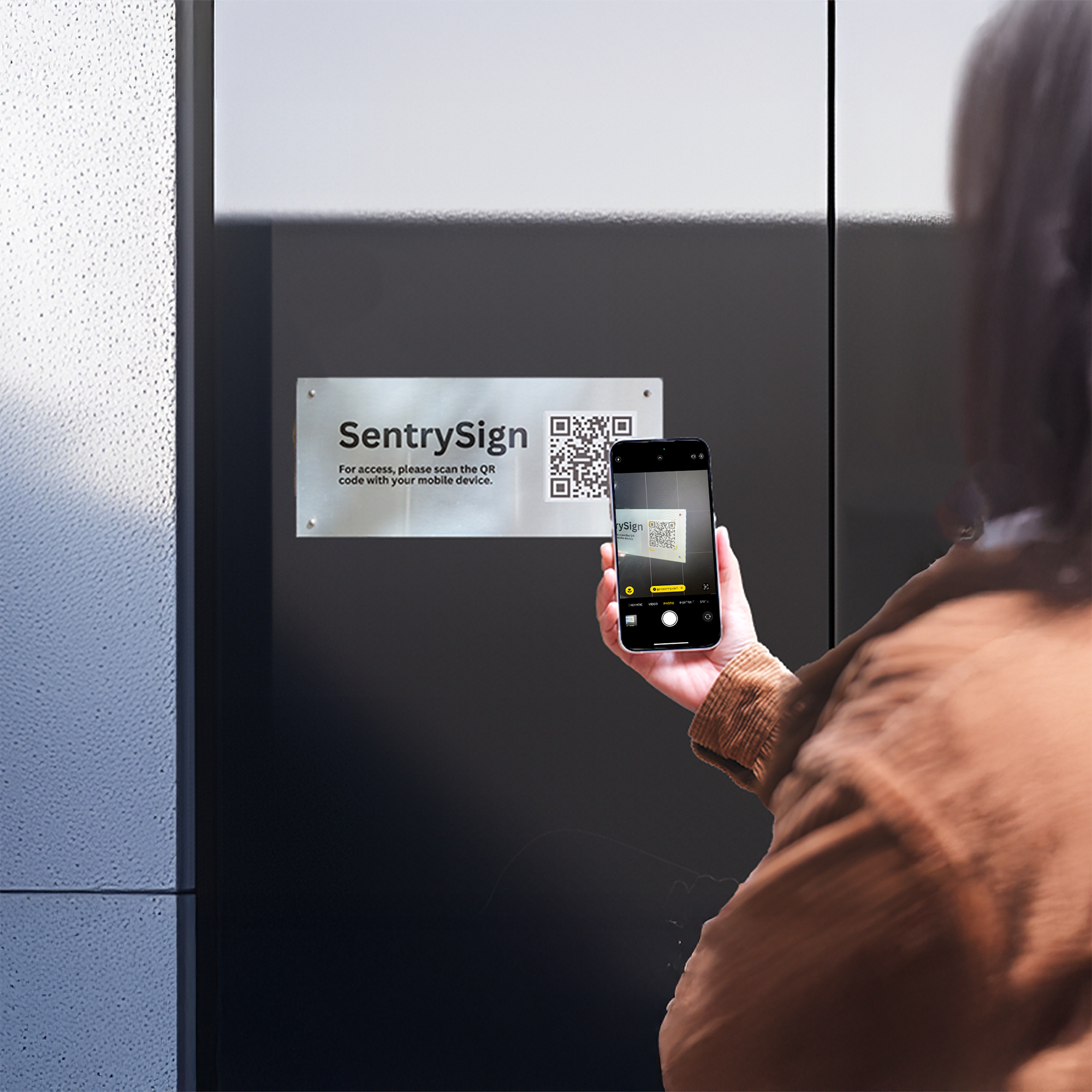
A gate access control system is the hardware or software that determines who can enter a property through its gates, doors, and entry points. Traditional systems use physical keypads, key fobs, card readers, and callboxes — all of which require expensive installation, ongoing maintenance, and frequent repairs. Mobile keypad access control replaces that hardware with a smartphone-based entry system where residents open gates from an app and visitors enter a temporary code on a digital keypad that opens directly in their phone's browser — no physical keypad, no app download, and no hardware to maintain.
For gated communities, apartment complexes, self-storage facilities, and commercial properties, mobile keypad entry solves the three biggest problems with traditional gate security systems: it eliminates hardware costs, improves the entry experience for residents and visitors, and gives property managers real-time visibility into every gate entry.
Why Physical Keypad Gate Entry Systems Are Failing
Physical keypad gate entry systems were once the standard for controlling gate access. But they come with problems that property managers deal with constantly:
High Installation and Maintenance Costs
A single keypad gate entry system costs $3,000–$7,000 for installation and wiring. Add in service calls for weather damage, vandalism, and mechanical failure, and the total cost of ownership climbs quickly. Most keypad systems require a maintenance contract just to stay operational.
Security Vulnerabilities
Static PIN codes are the weakest point of any keypad system. Codes get shared between residents, given to visitors permanently, and posted in delivery instructions. Once a code is out in the world, anyone can use it indefinitely — and there's no way to know who actually entered. This creates a significant security gap that most properties can't track or control.
Poor Visitor Experience
Visitors arriving at a keypad gate face a frustrating experience — scrolling through a directory, waiting for a resident to answer, or punching in codes that don't work. In an era where people unlock cars and pay for coffee from their phones, a metal box on a fence feels outdated.
No Visibility for Property Managers
Most keypad systems provide minimal or no entry logging. Property managers can't see who entered, when, or how often. There's no audit trail for security reviews, HOA board reports, or incident investigations.
How Mobile Keypad Access Control Works
Mobile keypad access control moves the keypad from the fence to the visitor's phone. Instead of a physical keypad mounted at the gate, a weatherproof QR code sign (called a SentrySign) is posted at the entrance. Here's how entry works:
For Visitors
- A resident sends their guest a temporary, time-limited access code via text or email.
- When the visitor arrives at the gate, they scan the QR code on the SentrySign with their phone's camera.
- A secure digital keypad — the VirtualKeypad — opens in their mobile browser. No app download required.
- They enter their unique code and the gate opens. The code expires automatically after the set time window.
For Residents
Residents don't use the keypad at all. They open gates directly from the Sentry Solo mobile app using VirtualKey — a single tap that unlocks any authorized gate, door, or amenity entrance. No codes, no fobs, no physical keys.
For Property Managers
Every VirtualKeypad entry and VirtualKey tap is logged in real time on a cloud-based admin dashboard. Property managers can view entry history, manage resident credentials, set access schedules per gate, and generate reports — all from any device, anywhere.
Physical Keypad vs Mobile Keypad: Full Comparison
| Feature | Physical Keypad Gate Entry | Mobile Keypad (VirtualKeypad) |
|---|---|---|
| Installation Cost | $3,000–$7,000 + wiring per gate | No hardware — weatherproof QR sign only |
| Maintenance | Frequent service calls for weather damage, vandalism, wear | Zero — QR signs last for years, software updates automatically |
| Security | Static codes shared and reused indefinitely | Dynamic, time-limited codes that expire automatically |
| Visitor Experience | Scroll directories, punch buttons, wait for buzz-in | Scan QR code, enter code on phone — under 10 seconds |
| Resident Entry | Memorize and enter PIN every time | One tap from smartphone app |
| Entry Logging | Limited or none — no names, no timestamps | Full digital audit trail with names, times, and access method |
| Remote Management | Requires on-site technician for changes | Manage from anywhere via cloud dashboard |
| Scalability | New hardware required per gate — $3,000+ each | Add unlimited gates from the dashboard |
| Weather Resistance | Buttons wear out, screens crack, wiring corrodes | No electronics exposed to weather |
The Industry Shift from Hardware to Software
Gate access control is following the same path as every other industry that's moved from hardware to software:
- Hotels: Physical key cards are being replaced by app-based room access and digital keys.
- Cars: Push-to-start and phone-based unlocking have made physical keys optional.
- Payments: Apple Pay and Google Wallet replaced cash and cards for millions of daily transactions.
- Access control: QR code-based entry and mobile credentials are replacing keypads, fobs, and callboxes.
According to MarketsandMarkets, the global access control market is projected to grow from $10.4 billion in 2024 to $15.6 billion by 2029, driven primarily by cloud-based software and mobile access solutions.
Why QR Code Entry Outperforms Physical Keypads
QR codes have emerged as the most practical replacement for physical keypads. Here's why:
- Universal Compatibility: Every smartphone made in the last 7 years can scan a QR code natively — no app download needed.
- Dynamic Security: QR codes link to time-limited, single-use codes that expire automatically. Unlike static keypad PINs, they can't be reused or shared permanently.
- Zero Maintenance: A weatherproof QR sign replaces a $5,000 keypad that requires constant upkeep. Signs last for years with no moving parts.
- Contactless Entry: No touching grimy buttons or memorizing codes — visitors scan with their phone from inside their car.
- Proven Adoption: According to QR Code Tiger, QR code scanning grew 47% year-over-year, confirming that users are comfortable with this technology.
Which Properties Benefit from Mobile Keypad Entry?
- Gated Communities: Replace aging keypad gate entry systems at main gates and secondary entrances with QR-based visitor access and smartphone resident entry.
- Apartments and Condos: Give residents one-tap gate access and visitors a frictionless digital keypad that works from their phone.
- Unmanned Gates: Secure back gates, service entrances, and after-hours access points without staffing or hardware.
- Pools, Gyms, and Amenities: Control access to clubhouses, fitness centers, tennis courts, and pool areas with time-based mobile credentials.
- Commercial and Industrial Sites: Manage vendor, contractor, and delivery access with temporary codes that auto-expire after the scheduled window.
Why Property Managers Are Switching
Lower Costs
No keypads to buy, install, wire, or repair. No fob inventory. No service contracts. Mobile keypad access control moves gate security from an unpredictable hardware expense to a predictable software subscription.
Better Security
Every entry is tied to a specific person with a timestamp and access method. Time-limited codes eliminate the risks of shared PINs. Property managers finally have a complete digital audit trail for every gate on the property.
Happier Residents and Visitors
Residents tap their phone to enter — no codes to remember. Visitors scan and enter a code in seconds — no directories to navigate or callboxes to shout into. The experience matches what people expect from technology in 2026.
Full Remote Control
Grant access, revoke credentials, set gate schedules, and pull reports from any device, anywhere. No on-site visits required for routine access management.
Getting Started with Mobile Keypad Access Control
Switching from a physical keypad to a mobile keypad doesn't require replacing your existing gate. Sentry Solo works alongside your current gate hardware — the only physical addition is a weatherproof SentrySign QR code posted at the entrance. No wiring, no installation crew, no downtime. Most properties are fully live within days.
Ready to Replace Your Keypad with Mobile Entry?
See how Sentry Solo's VirtualKeypad can eliminate hardware costs, improve security, and give your residents and visitors a modern entry experience.
Schedule a Demo