
How Manufacturing Plants Can Replace Paper Visitor Logs
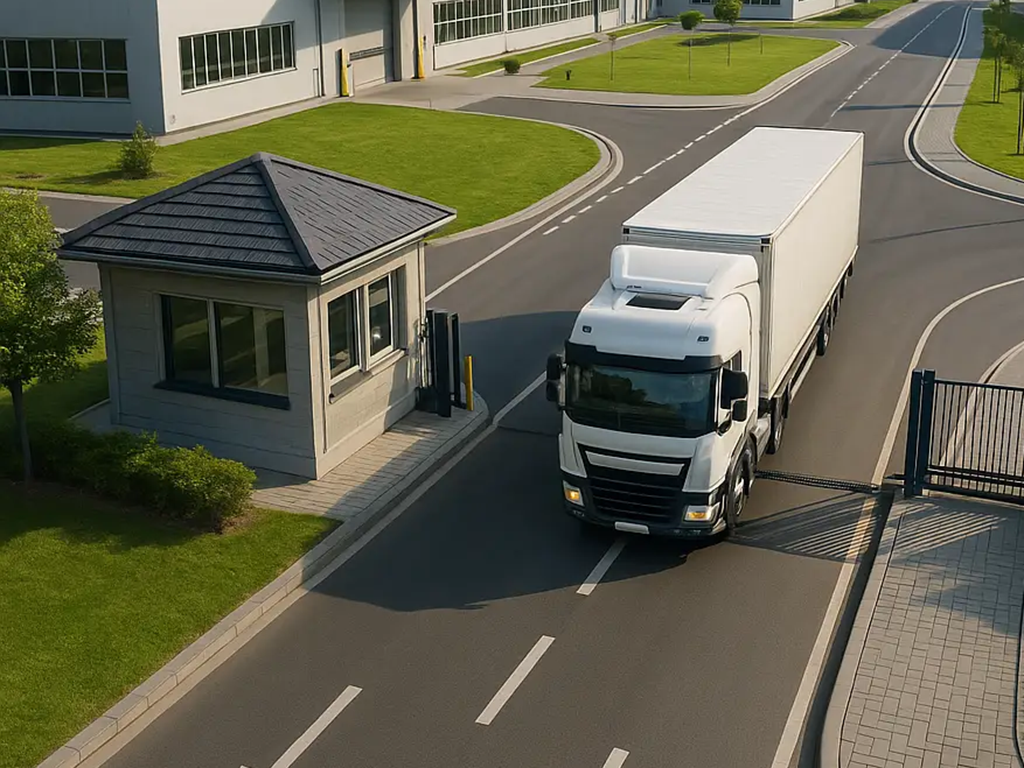
A contractor arrives at a manufacturing plant he's visited several times before.
The security officer recognizes the company but still needs to find the contractor's information. That means checking a binder for his previous visits, looking up which department he's meeting, and writing down his license plate.
Then there's the call to confirm someone's expecting him.
When the contractor leaves, his departure needs to be recorded, too.
We've spoken with manufacturing facilities where this is still part of the daily process. Security officers aren't necessarily doing anything wrong. They're working with visitor information spread across binders, handwritten logs, printed records, and phone calls.
For a plant receiving contractors, suppliers, delivery drivers, and equipment technicians throughout the day, that creates a lot of unnecessary work.
Replacing paper visitor logs with digital check-in gives security a way to keep those records together without changing the plant's rules about who can enter.
Here's what that transition can look like.
1. Review What Security Collects at the Entrance
Before choosing software, look at how visitors are checked in today.
A supplier coming in for a meeting may only need to confirm their name, company, and the employee they're visiting.
A contractor working on production equipment might need an ID check, vehicle information, and approval from maintenance.
A delivery driver may need to contact shipping or receiving instead of someone in the main office.
Those aren't the same visits, so the process shouldn't assume they all need the same information.
Start by identifying what your security officers collect, where it's recorded, and who approves each type of visitor.
You may find that the same information is being written on several forms or entered into different systems.
That's the work worth eliminating first.
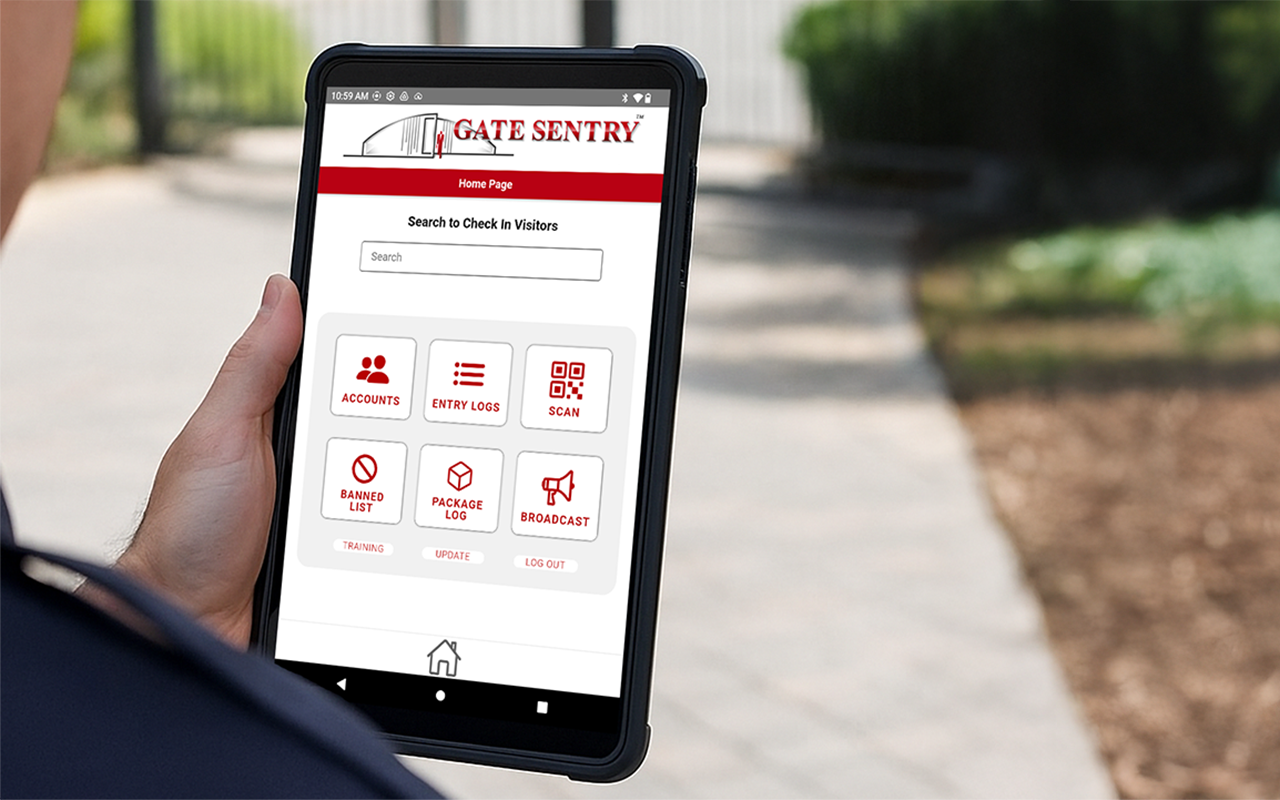
With Gate Sentry, security officers can collect visitor information on a tablet and review existing records during check-in. The plant still determines what information is required and who has authority to approve entry.
2. Let Departments Register Visitors Before They Arrive
One of the slowest parts of a manual visitor process is figuring out who's expecting someone.
A technician arrives and says he's there to work on a piece of equipment.
Security calls maintenance, but the supervisor isn't answering. The officer tries another number while the technician waits.
Meanwhile, other vehicles are arriving.
Manufacturing plants can avoid some of those calls by having departments register expected visitors ahead of time.
A maintenance supervisor can add a technician scheduled to repair equipment. Purchasing can register a supplier coming for a meeting. Another department can add contractors expected for a project.
With Gate Sentry, those registrations are available to security when the visitor arrives.
The officer can search for the visitor, company, employee, or department instead of trying to locate the right person from scratch.
Unexpected arrivals will still happen. Security needs to follow the plant's normal approval process when someone hasn't been registered.
But a scheduled visitor shouldn't create unnecessary phone calls just because their information never made it to the gate.
3. Make Returning Vendors Easier to Find
Many manufacturers work with the same outside companies all year.
A technician might visit every month. A cleaning contractor may come several times a week. A supplier could have drivers arriving regularly.
At a facility using paper records, that information may already exist somewhere.
Finding it is the problem.
We've talked with a manufacturing company that kept previous visitor information in multiple binders and printed copies of license plates.
Every returning visitor created more paperwork.
With Gate Sentry, officers can search existing visitor records directly from a tablet.
If a contractor has visited before, the officer can review the information on file, confirm that it's still correct, and collect anything else the plant requires.
Expected visitors can also receive SentryPass by text or email.
When an officer scans the pass, the registration appears on the tablet for review. The officer still verifies the visitor according to the facility's procedures; the QR code isn't proof of identity by itself. See how digital visitor passes help guards verify who's arriving.
The improvement is that security doesn't have to begin every visit by searching through old records.
4. Handle Screening and Documents Before Someone Reaches the Gate
Some plants collect more than a visitor's name and company.
That can be particularly relevant at food manufacturing facilities, where outside personnel may need to answer site-specific questions before entering certain areas.
A plant might ask about hygiene requirements, restricted areas, or other information related to its visitor procedures.
The facility determines which questions are necessary and who reviews the answers.
With Gate Sentry's visitor self-registration features, visitors can provide requested information from their phones before arriving, including supported document uploads and screening-question responses.
Authorized staff can then review the submitted information as part of the plant's existing process.
The software doesn't make food-safety or compliance decisions on the facility's behalf. It gives staff a more organized way to collect and review the information they've decided to require.
What About Apparel and Export Factories?
Export-oriented manufacturers, including apparel factories, may also have visitors moving between several departments or controlled areas.
Outside maintenance teams, suppliers, customer representatives, and auditors may each have different reasons for visiting.
A single paper sign-in sheet doesn't always capture the employee or department responsible for the visit.
Recording the visitor's company, destination, arrival, and available identification information can make those records easier to review later.
For a factory responding to customer questions about a previous visit, having searchable records can be useful. What those records need to contain depends on the facility's actual requirements.
Digital visitor management can help organize that information, but it doesn't automatically satisfy an audit or certification requirement.
5. Don't Forget to Record When Contractors Leave
Manufacturing facilities often have outside contractors working on equipment, construction, or maintenance projects.
Some remain on-site for most of the day. Others return over several days or weeks.
We've spoken with companies that wanted better entry and departure records because subcontractors sometimes bill based on the hours they spend at the facility.
One described projects involving dozens of outside workers.
If a contractor's invoice shows ten hours but the visitor records show a six-hour visit, management has information worth reviewing.
That doesn't prove how many hours the contractor actually worked. It only shows the arrival and departure times that were recorded.
Still, it's useful information to have.
Gate Sentry allows security officers to check visitors in and record their departure through the system.
Those records can then be reviewed by authorized administrators.
The important part is making check-out part of the actual security process. Digital software won't record an accurate departure if nobody completes the check-out.
6. Make Previous Visits Easier to Find
Visitor records aren't only useful at the entrance.
A plant manager might need to confirm when a maintenance company last visited. Security may be asked about a vehicle that entered several weeks earlier.
If the information is stored in paper logs, someone may have to search through multiple dates and hope the handwriting is readable.
At the manufacturing company using binders, finding old visitor details was one of the issues the team wanted to address.
With Gate Sentry, authorized administrators can search recorded visits using information such as a visitor's name, company, license plate, or date.
The results depend on what security actually collected during the visit.
If a license plate wasn't recorded, the system can't produce it later. And a check-in record doesn't establish everything a person did after entering the property.
But having the available information organized in one searchable location can save management from having to contact the gatehouse and request a search through old paperwork.
How to Make the Switch Without Disrupting the Entrance
Replacing paper logs doesn't mean changing every security procedure at once.
I'd start by walking through three common situations at your plant: a scheduled contractor, a returning vendor, and an unexpected delivery driver.
Watch where officers have to stop, search for information, or contact someone for approval.
Then map those tasks to the digital process.
| Current task | Digital process to test |
|---|---|
| Department calls security about an expected visitor | Department registers the visitor before arrival |
| Officer searches old binders for a contractor | Search the existing visitor record on a tablet |
| Visitor completes paper questions | Visitor submits required information through registration |
| Officer copies identification or vehicle details | Capture supported information during check-in |
| Departure time is added to a logbook | Record check-out in the visitor system |
| Manager requests a previous visit | Search the recorded visitor history |
Before going live, have officers test those situations with the actual procedures the plant uses.
Make sure they understand how to handle unexpected visitors, which information they're required to collect, and when a departure should be recorded.
It may not be necessary to enter every historical paper record into the new system. The plant should decide how older records will be retained and when the digital process becomes the official check-in method.
What Changes Once the Binders Are Gone?
The biggest difference isn't simply that the records are digital.
It's how much less searching and duplicate entry security may need to do.
Departments can register expected visitors. Officers can find returning contractors, review information on file, and record visits from a tablet.
When someone leaves, their departure can be recorded in the same system.
And when management needs a previous record, it doesn't have to start by asking someone to locate the correct binder.
For a plant with recurring contractors and several departments receiving visitors, those improvements can make the daily process easier to manage.
If you're evaluating broader requirements such as multiple gates, different types of entrances, and plant-wide visitor procedures, our manufacturing visitor management system guide covers those considerations.
For a comparison of the records themselves, see Paper vs. Excel Visitor Logs for Industrial Sites.
Frequently Asked Questions
Can a manufacturing plant replace paper visitor sign-in sheets?
Yes. Digital visitor management software can record visitor registrations, arrivals, departures, and other information that the facility requires.
Does Gate Sentry work for food manufacturing facilities?
Gate Sentry can support visitor registration, screening questions, document collection, and staffed check-in processes. The food manufacturer decides what information and review procedures are necessary for its site.
Can export factories record supplier and contractor visits?
Yes. Authorized security staff can record and search visitor information, including available company, destination, identification, vehicle, and check-in details.
Can contractors check in using a digital pass?
Expected visitors can receive SentryPass. A security officer scans it to retrieve the registration and then follows the facility's verification procedures.
Does digital visitor management automatically record departures?
No. Gate Sentry supports recording visitor check-outs, but the facility still needs a process to ensure departures are recorded.
Ready to Replace Your Plant's Visitor Logbooks?
If your security team is still working from binders, handwritten records, and separate lists, we can walk through what the same check-in process would look like in Gate Sentry. We'll show you how the tablet handles returning vendors, department registrations, identification capture, and visitor history.
Schedule a Demo