
Gated Community Security: Why Guards Still Matter in 2026
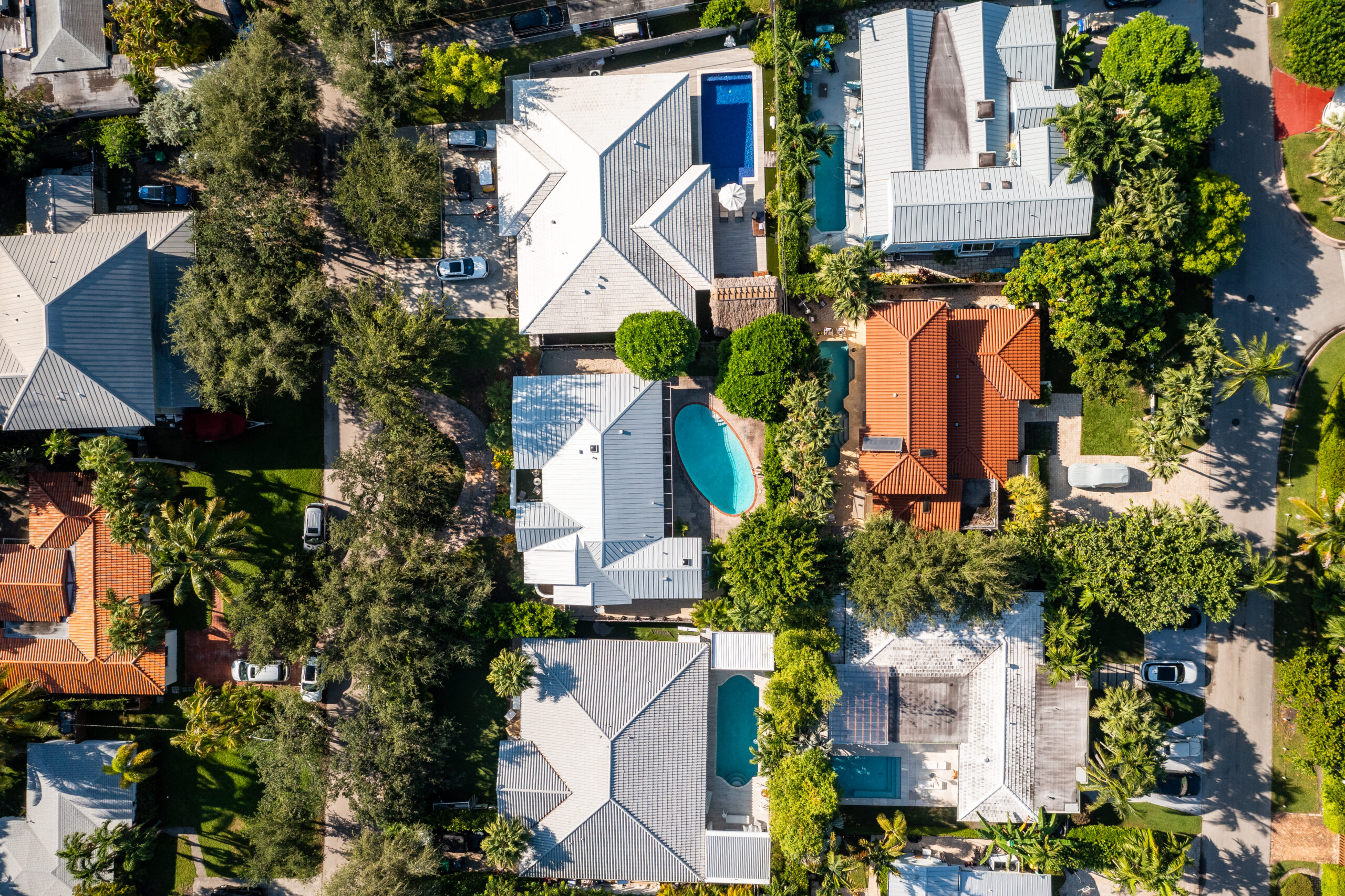
Gated community security is the combination of physical barriers, trained personnel, and technology that controls who enters a residential community and how visitor access is managed. While gates and fences provide a baseline deterrent, the security guard at the gatehouse is what makes the system work — verifying visitors, enforcing access policies, logging entries, and responding to incidents in real time. The challenge for most gated communities in 2026 isn't whether to have guards, it's giving those guards the right tools to operate efficiently, accurately, and accountably.
For HOA boards, property managers, and security companies managing guard-staffed gates, the question isn't guards vs technology — it's guards with technology. This guide covers the core benefits of security guards in gated communities, why those benefits break down without modern tools, and how the right visitor management software turns a good security operation into a great one.
What Is Gated Community Security?
Gated community security is the system of people, policies, and technology that protects a residential community from unauthorized access, crime, and safety threats. It typically includes physical barriers (gates, fences, walls), access control systems (callboxes, keypads, or software platforms), and trained security personnel (guards, patrol officers, or gatehouse staff). The most effective gated community security programs combine all three — barriers to create a perimeter, technology to manage access, and guards to enforce policies and respond to situations that technology alone can't handle.
Why Security Guards Are Essential for Gated Communities
Technology can log entries, manage credentials, and send notifications — but it can't make judgment calls, de-escalate confrontations, or help a lost delivery driver find the right address. Guards provide the human element that makes gated community security actually work.
Crime Deterrence
A gated entry point with a trained security guard signals to potential intruders that this community is actively monitored. Unlike cameras or signs alone — which are passive deterrents — a guard represents immediate consequences. Research consistently shows that communities with visible guard presence experience fewer break-ins, less trespassing, and reduced vandalism compared to communities relying on gates and cameras alone.
Real-Time Emergency Response
Emergencies are unpredictable and seconds matter. Whether it's a medical crisis, a vehicle accident at the gate, a suspicious person, or an unauthorized entry attempt, security guards are the first responders. They can assess the situation, provide initial assistance, communicate with police or fire services, and guide emergency vehicles to the correct location — all before a camera even records a clip.
Resident Peace of Mind
Feeling safe is just as important as being safe. A professional security guard presence creates an environment where residents can relax, let their children play outdoors, and leave for vacation knowing someone is watching the gate. Over time, guards become familiar faces — residents know them by name, children see them as protectors, and the entire community benefits from the trust that visibility builds.
Visitor and Vendor Management
In most gated communities, vendors, delivery drivers, and contractors make up nearly half of all gate traffic. Managing that volume requires human judgment — confirming that the landscaping crew is expected, verifying that the moving truck has the right address, and ensuring that the unknown visitor claiming to be a relative is actually authorized. Guards handle these ambiguous situations that automated systems simply can't resolve on their own.
Adaptability Beyond Standard Procedures
Unlike cameras or automated callboxes, guards adapt to situations that fall outside standard procedures. A delivery truck blocking an entrance, a resident locked out without their phone, a guest who arrived at the wrong gate, a power outage affecting access control — guards make judgment calls, offer guidance, and solve problems on the spot. This flexibility prevents small issues from escalating into resident complaints or security incidents.
Where Gated Community Security Breaks Down
Guards provide irreplaceable value — but only when they have the right tools. Most of the problems HOA boards and property managers experience with their security programs aren't guard problems. They're tool problems.
Paper Logs Create Gaps
When guards use paper logs, entries are incomplete, handwriting is illegible, and there's no way to search, filter, or audit visitor records. Property managers get a stack of logbooks that tell them almost nothing useful. When an incident occurs and the board asks "who entered the community on Tuesday afternoon," paper logs rarely provide a clear answer.
Desktop Computers Slow Everything Down
Legacy desktop systems force guards to stay inside the guardhouse, hunched over a computer, while cars stack up at the gate. The guard can't carry the computer to a vehicle window. Check-ins take 2-3 minutes each. During peak hours — Friday evenings, holiday weekends, move-in days — the result is long lines, frustrated residents, and a security operation that looks outdated.
High Turnover Kills Consistency
The security industry experiences some of the highest turnover rates of any profession. When a new guard starts every few weeks, they don't know the residents, the procedures, or the system. Without standardized digital tools that guide their workflow, each new guard operates differently — and the quality of service fluctuates with every shift change.
No Supervisor Visibility
When guards use paper or desktop-only systems, supervisors have zero real-time visibility into what's happening at the gate. They find out about problems hours or days later — if at all. Property managers can't pull reports for board meetings. Security companies can't demonstrate the value of their contract. Everyone is operating in the dark.
How Modern Technology Makes Guards More Effective
The solution isn't replacing guards with technology — it's giving guards technology that amplifies what they already do well. A tablet-based visitor management system transforms every aspect of the guard's workflow:
| Guard Task | Without Technology | With Gate Sentry |
|---|---|---|
| Verify a Pre-Authorized Visitor | Call resident, wait for answer, confirm name | Scan SentryPass on tablet — verified in seconds |
| Check In an Unexpected Visitor | Flip through paper list, make phone calls | Search by name, plate, or address — instant results |
| Log a Visitor Entry | Write name, time, and destination by hand | Automatic digital log with timestamp, guard ID, and visitor details |
| Handle a Returning Vendor | Treat as new visitor every time | Vendor info stored — verified in under 10 seconds |
| Provide Shift Report | Handwritten summary, often incomplete | Automatic digital log of every action during the shift |
| New Guard Onboarding | Shadow experienced guard for days, learn tribal knowledge | Built-in training videos, standardized workflow from day one |
| Internet Outage at the Gate | System goes down, guard improvises | Offline mode — guard continues processing visitors, data syncs when connection returns |
What to Look for in Gated Community Security Technology
When evaluating technology to support your guard program, these features make the biggest difference:
- Tablet-Based Interface: Guards need a device they carry to vehicles, not a desktop inside the guardhouse. A tablet lets them process check-ins at the car window during peak traffic.
- Digital Guest Passes (SentryPass): Residents pre-authorize guests who receive a digital pass via text or email. Guards scan it with the tablet and the visitor is verified in seconds — no phone calls needed.
- Dynamic Search: Guards need to find any resident, visitor, vendor, or vehicle instantly by searching name, address, license plate, or company.
- Real-Time Entry Logs: Every check-in is recorded automatically with the visitor name, resident, guard, and timestamp. Property managers and HOA boards can access these logs anytime from the cloud.
- Offline Capability: Gate WiFi drops frequently. The system must continue working without internet so guards never stop processing visitors.
- Built-In Guard Training: Online training resources that new guards can complete in under an hour ensure consistent operations regardless of turnover.
- Resident Mobile App: Residents should be able to add guests, set visit durations, and receive arrival notifications from their phone — reducing gate calls and delays.
Guards with Software vs Guards with Paper: The Impact
The difference between a gated community using paper logs and one using modern visitor management software is visible to every resident, every guest, and every board member:
- Check-in speed: 10 seconds with a digital pass scan vs 3-5 minutes with paper and phone calls.
- Gate lines on Friday evening: Moving smoothly vs stacked down the street.
- HOA board reports: Instant digital dashboards with traffic trends vs a box of illegible logbooks.
- New guard readiness: Operational in hours with built-in training vs weeks of shadowing.
- Resident satisfaction: Pre-authorized guests sail through vs "why is my guest still waiting at the gate?"
- Incident response: Searchable digital records with exact timestamps vs "I think it was sometime last Tuesday."
Properties That Use Guard-Staffed Gated Community Security
- HOA Gated Communities: The primary market — high visitor volume, resident expectations for fast service, and HOA boards that demand reporting and accountability.
- Resorts and Country Clubs: Member and guest check-in with event access management and VIP handling.
- Luxury Apartment Complexes: Staffed lobby or gatehouse entry with digital passes and real-time resident notifications.
- Corporate Campuses and Industrial Sites: Contractor, vendor, and employee check-in with compliance-grade digital logs.
What About Communities Without Guards?
Not every gated community has the budget for 24/7 guard staffing. For communities with unmanned entrances — or staffed gates that go unmanned after hours — Sentry Solo provides hardware-free mobile access control. Residents open gates with VirtualKey on their phone, and visitors scan a QR code to enter a temporary code via VirtualKeypad — no callbox, no guard, and no app download required.
Many communities use both: Gate Sentry for staffed main gates during the day and Sentry Solo for unmanned secondary gates and after-hours access. Together, they cover every entry point on the property — staffed and unstaffed — from one platform.
The Bottom Line on Gated Community Security
Gated community security works best when trained guards and modern technology work together. Guards bring human judgment, adaptability, trust, and real-time response. Technology brings speed, accuracy, accountability, and visibility. Neither one alone is enough.
The communities that residents rave about — the ones with short gate lines, professional check-ins, and boards that can pull a report in seconds — are the ones where guards have the right tools. That's what separates a gated community that feels secure from one that actually is.
Give Your Guards the Tools They Deserve
See how Gate Sentry's tablet-based visitor management system can transform your gated community security program — faster check-ins, better reporting, and happier residents.
Schedule a Demo