
What Is a Guardhouse? How to Modernize Gate Security
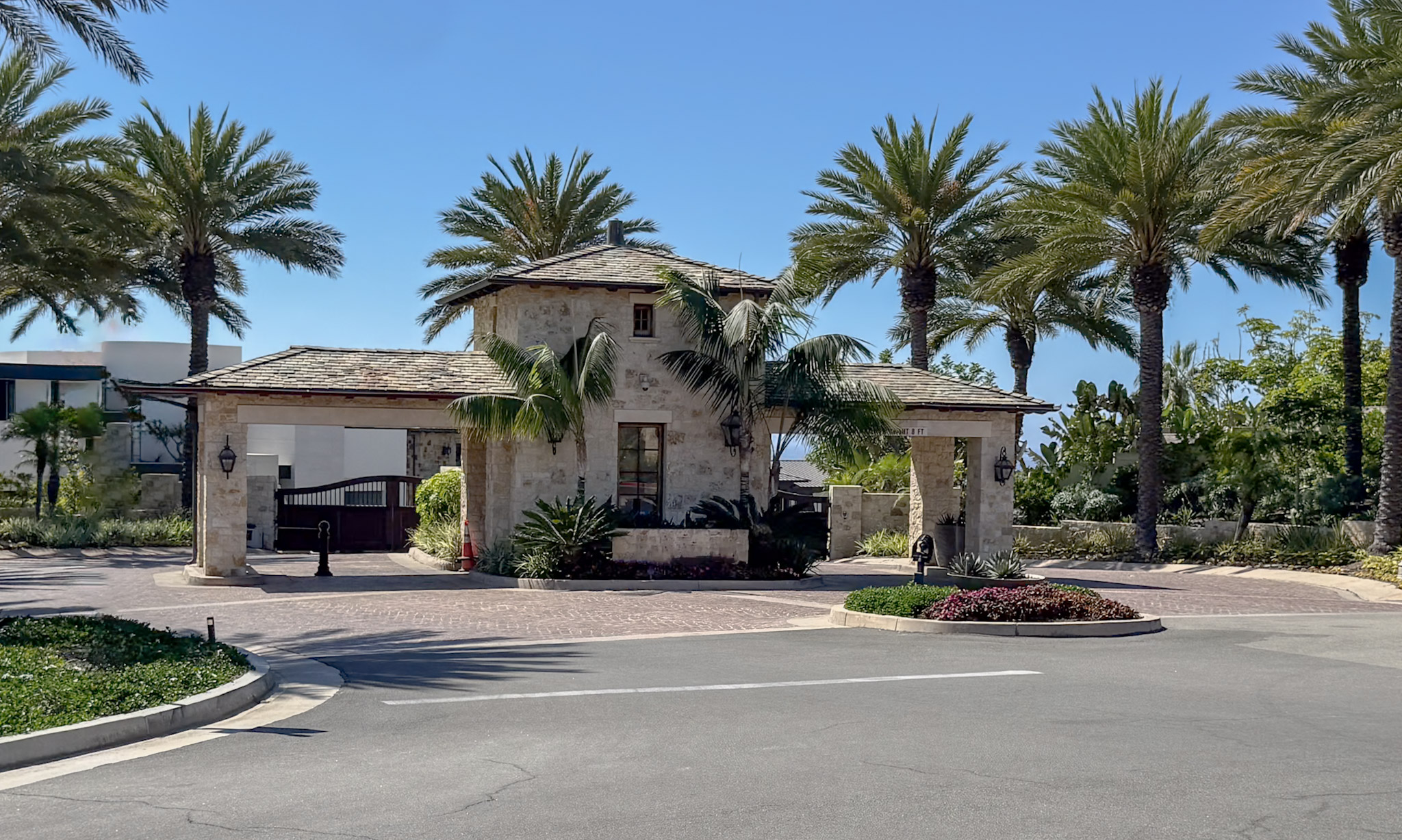
A guardhouse is a staffed structure at the entrance of a gated property where security personnel verify visitor identities, enforce access policies, log entries and exits, and manage the flow of residents, guests, vendors, and deliveries. Also called a guard house, gatehouse, or gate booth, it serves as the primary checkpoint for controlling who enters and leaves a property. Guardhouses are found at gated communities, apartment complexes, corporate campuses, industrial and commercial sites, and military installations.
For decades, most guardhouses operated with paper logs, desktop computers, and manual phone calls to verify visitors. These tools worked when gate traffic was primarily social guests visiting a few times per week. Today, with vendor and delivery traffic making up nearly half of all gate entries, guardhouse operations need modern digital tools to keep up with the volume, maintain accurate records, and provide the real-time visibility that property managers and HOA boards expect.
What Is a Guardhouse?
A guardhouse (also spelled guard house) is a physical structure positioned at a property's entrance where trained security staff control access. The guard inside the guardhouse is responsible for verifying that every person entering the property is authorized — checking visitor names against approved lists, scanning digital passes, confirming resident identities, and logging every entry with a timestamp and visitor details.
The term gatehouse is often used interchangeably with guardhouse, particularly in commercial and industrial settings. Both refer to the same function: a staffed entry point where security personnel manage who enters and exits a property.
A modern guardhouse serves four core functions:
- Identity and Authorization Verification: Confirming that every visitor, contractor, delivery driver, or vehicle has a legitimate, documented reason for entering the property.
- Digital Entry Logging: Creating a searchable, tamper-proof record of every person who enters and exits — replacing paper logs that are illegible, incomplete, and impossible to audit.
- Professional First Point of Contact: Representing the property with consistency and professionalism for every resident, guest, and vendor who passes through.
- Active Deterrence: Projecting visible security oversight that discourages unauthorized access, trespassing, and opportunistic crime.
Why Traditional Guardhouse Operations Are Failing
Guardhouses that still rely on paper logs, desktop computers, and manual phone calls face three critical problems that get worse as gate traffic increases:
Compromised Records
Paper sign-in logs are the weakest link in guardhouse security. Entries are illegible, incomplete, or missing entirely. Visitors skip the log. Guards rush entries during peak hours. When an incident occurs and someone asks "who was on the property Tuesday afternoon," paper logs rarely provide a clear answer. Without a digital visitor management system, guardhouses cannot maintain compliance, investigate incidents, or protect against liability.
Slow Check-Ins and Gate Bottlenecks
Manual verification — calling residents to confirm visitors, flipping through printed lists, typing names into a desktop computer — takes 2-5 minutes per check-in. During peak hours (Friday evenings, holiday weekends, move-in days), this creates gate lines that frustrate residents, delay visitors, and force guards to rush through verification steps. The result: unauthorized entries slip through during the busiest, highest-risk periods.
Inconsistent Guard Performance
The security industry has some of the highest turnover rates of any profession. When a new guard starts every few weeks, they don't know the residents, the procedures, or the system. Without standardized digital tools that guide their workflow, each new guard operates differently — and the quality of service at the guardhouse fluctuates with every shift change.
Guardhouse Operations: Paper Logs vs Digital Visitor Management
| Guardhouse Function | Paper Logs & Desktop Computers | Digital Visitor Management System |
|---|---|---|
| Visitor Verification | Guard calls resident, waits for answer | Scan digital pass on tablet — verified in seconds |
| Entry Logging | Handwritten — illegible, incomplete, unsearchable | Automatic digital log with timestamp, guard ID, visitor details |
| Returning Vendor Check-In | Treated as new visitor every time | Vendor profile stored — verified in under 10 seconds |
| Resident Pre-Authorization | Not available — guard must call every time | Residents pre-approve guests via mobile app |
| Manager Visibility | None until shift report is submitted | Real-time dashboard showing all gate activity |
| New Guard Training | Shadow experienced guard for days | Built-in training videos — operational in hours |
| Incident Investigation | Flip through paper logs hoping for answers | Search by name, date, plate, or resident — instant results |
| Internet Outage | Desktop system goes down | Offline mode — guard continues processing, data syncs later |
Five Steps to Modernize Your Guardhouse
Transforming a guardhouse from an outdated checkpoint into a modern command center requires a systematic approach built on five pillars:
1. Replace Paper Logs with Digital Entry Records
Every entry should be captured digitally with the visitor's name, the resident they're visiting, the guard who processed them, and the exact timestamp. These records must be searchable, filterable, and exportable — not trapped in a paper logbook that nobody can read. Digital logging creates the auditable chain of custody that HOA boards, property managers, and compliance requirements demand.
2. Move Visitor Approvals Away from the Gate
The biggest bottleneck at any guardhouse is the guard calling residents to ask "are you expecting someone?" When residents pre-authorize their guests through a mobile app — and visitors arrive with a digital pass — the guard simply scans and confirms. Check-in drops from minutes to seconds, and the gate line moves.
3. Give Managers Real-Time Visibility
Property managers and security company supervisors need to see what's happening at the guardhouse in real time — not hours later in a shift report. A cloud-based dashboard showing live gate activity, visitor volume, and guard performance across all properties transforms security management from reactive to proactive.
4. Standardize Guard Procedures with Built-In Training
When every guard follows the same digital workflow — scan pass, verify identity, log entry — consistency becomes automatic regardless of who's on shift. Built-in training videos that new guards can complete in under an hour ensure that turnover doesn't mean service quality drops. The system enforces the process, so the process doesn't depend on tribal knowledge.
5. Use Technology to Amplify Guard Effectiveness
Technology doesn't replace security guards — it removes the busywork that keeps them from doing their real job. Every minute a guard spends writing in a logbook, calling a resident, or troubleshooting a broken desktop is a minute not spent watching for suspicious activity, greeting residents, or responding to incidents. When the system handles logging, verification, and reporting automatically, guards are freed to focus on judgment, observation, and response.
How Gate Sentry Modernizes Guardhouse Operations
Gate Sentry was designed from the ground up as a complete operational platform for staffed guardhouses. It replaces paper logs, desktop computers, and manual processes with a single tablet that gives guards everything they need:
- Tablet-Based Check-In: Guards manage all visitor verification from a portable tablet — at the vehicle window, not behind a desk. Every check-in creates a secure digital entry record automatically.
- SentryPass Digital Guest Passes: Residents pre-authorize visitors who receive a digital pass via text and email. Guards scan the pass on the tablet — verification in seconds, no phone calls needed.
- Dynamic Search: Guards find any resident, visitor, vendor, or vehicle instantly by searching name, address, license plate, or company.
- Photo ID Capture: Guards snap a photo of the visitor's driver's license directly from the tablet, creating verified identity records for every entry.
- Real-Time Dashboard: Property managers and security supervisors see live gate activity, visitor volume, and guard performance across all properties from one screen.
- Integrated Training Videos: New guards complete built-in video training and are operational within hours — not days of shadowing.
- Offline Capability: If internet drops, the system keeps working. Guards continue processing visitors and all data syncs when connectivity returns.
- Broadcast Communications: Property managers send alerts, meeting reminders, and emergency notifications directly through the platform residents already use.
Which Properties Use Staffed Guardhouses?
- HOA Gated Communities: The most common guardhouse environment — high visitor volume, HOA board oversight, and resident expectations for fast, professional check-in.
- Resorts and Country Clubs: Member and guest check-in with event access management and VIP handling.
- Corporate Campuses and Industrial Sites: Contractor, vendor, and employee check-in with compliance-grade entry logging.
- Luxury Apartment Complexes: Staffed lobby or gate entry with digital passes and real-time resident notifications.
What About Properties Without a Guardhouse?
Not every property has a staffed guardhouse. For unmanned gates, back entrances, amenity areas, and after-hours access points, Sentry Solo provides hardware-free access control. Residents use VirtualKey for personal entry, and visitors scan a QR code to enter via VirtualKeypad — no callbox, no guard, and no app download required.
Many properties use both: Gate Sentry at the staffed main gate and Sentry Solo at unmanned secondary entrances. Together, they cover every access point from one platform.
Frequently Asked Questions
What is a guardhouse?
A guardhouse is a staffed structure at the entrance of a gated property where security personnel verify visitor identities, enforce access policies, log entries and exits, and manage the flow of residents, guests, vendors, and deliveries. Guardhouses are found at gated communities, apartment complexes, corporate campuses, industrial sites, and military installations.
What is the difference between a guardhouse and a gatehouse?
The terms guardhouse and gatehouse are often used interchangeably. Both refer to the staffed structure at a property entrance where security personnel manage access control. Guardhouse is more commonly used in residential and military contexts, while gatehouse is more common in commercial and industrial settings.
Is a fully automated gate better than a staffed guardhouse?
Automated gates provide convenience but lack human judgment. A trained guard supported by modern technology offers flexibility, active deterrence, and crisis response that automation alone cannot provide. The most effective approach combines staffed guardhouses at main entrances with automated mobile access at secondary gates.
How can properties improve guardhouse security?
Properties can improve guardhouse security by replacing paper logs and desktop computers with a tablet-based digital visitor management system, implementing resident pre-authorization for guests and vendors, providing guards with real-time dashboards and searchable entry logs, and standardizing procedures with integrated training resources.
How much does it cost to modernize a guardhouse?
With a software-based system like Gate Sentry, the only hardware needed is a tablet. There are no kiosks, scanners, servers, or wiring to install. This makes modernization significantly less expensive than traditional hardware-heavy upgrades, with most guardhouses fully operational within days.
Modernize Your Guardhouse Operations
See how Gate Sentry's tablet-based platform transforms guardhouse security — faster check-ins, digital entry logs, real-time dashboards, and built-in guard training.
Schedule a Demo